
Why One Solution Isn’t Enough: The Need for a Complete Waterway Fleet
Introduction
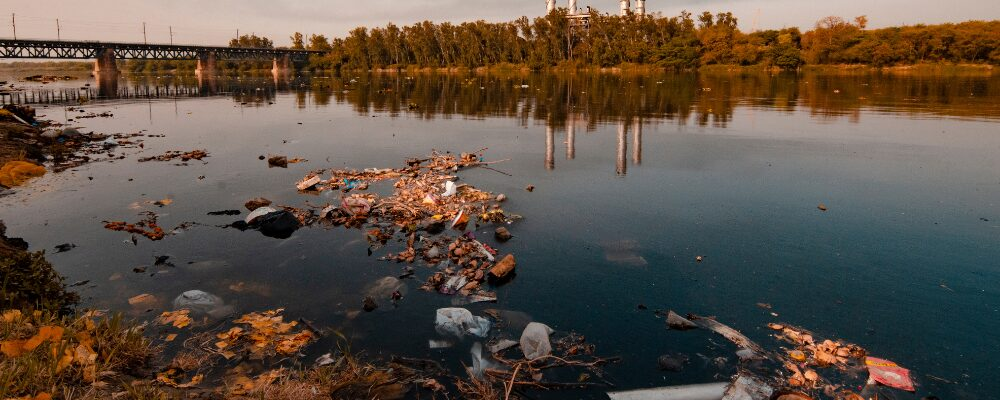
Waterways today are under increasing pressure from multiple, interconnected challenges — and the scale of the problem is only growing.
Across lakes, rivers, and ports, rising pollution and sedimentation are degrading water quality and reducing capacity, while invasive aquatic species continue to spread rapidly, disrupting ecosystems and blocking natural water flow. Studies show that invasive species alone can significantly alter biodiversity and ecosystem balance, making waterbodies more fragile and harder to manage over time . At the same time, siltation — often driven by erosion, urban runoff, and human activity — steadily reduces depth and storage capacity, impacting navigation, flood control, and overall waterbody health .
Yet despite these overlapping issues, most interventions remain fragmented — addressing waste, vegetation, or data gaps in isolation.
The reality is simple: effective waterway management isn’t about solving one problem at a time. It requires a coordinated approach that can simultaneously tackle surface pollution, invasive biomass, and the growing need for accurate, real-time insights into depth and capacity.
The Three Layers of Waterway Challenges
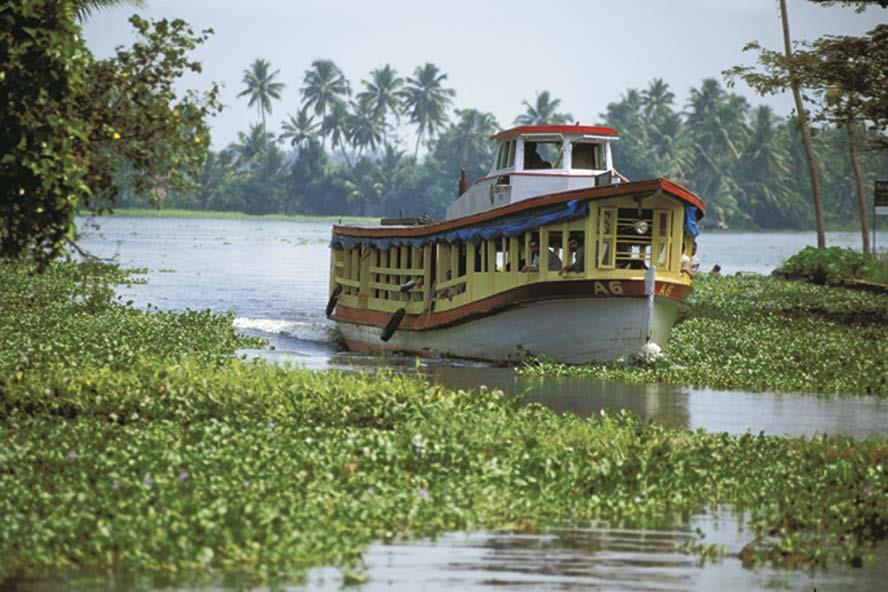
If waterways are to be managed effectively, they need to be understood as layered systems and not isolated problems.
Each layer presents a distinct challenge. And more importantly, each requires a fundamentally different approach.
Surface Layer - The Visible Problem
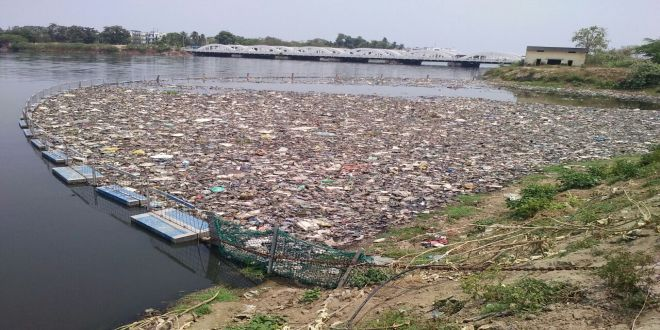
This is where most interventions begin.
Floating wastes like plastics, organic debris, and urban runoff which accumulates continuously on the surface. Beyond the obvious environmental impact, it affects navigation, tourism, and overall usability of the waterbody.
Because it’s visible, it often gets the most attention. But it’s only one part of a much larger system.
Mid-Layer - The Growing Constraint
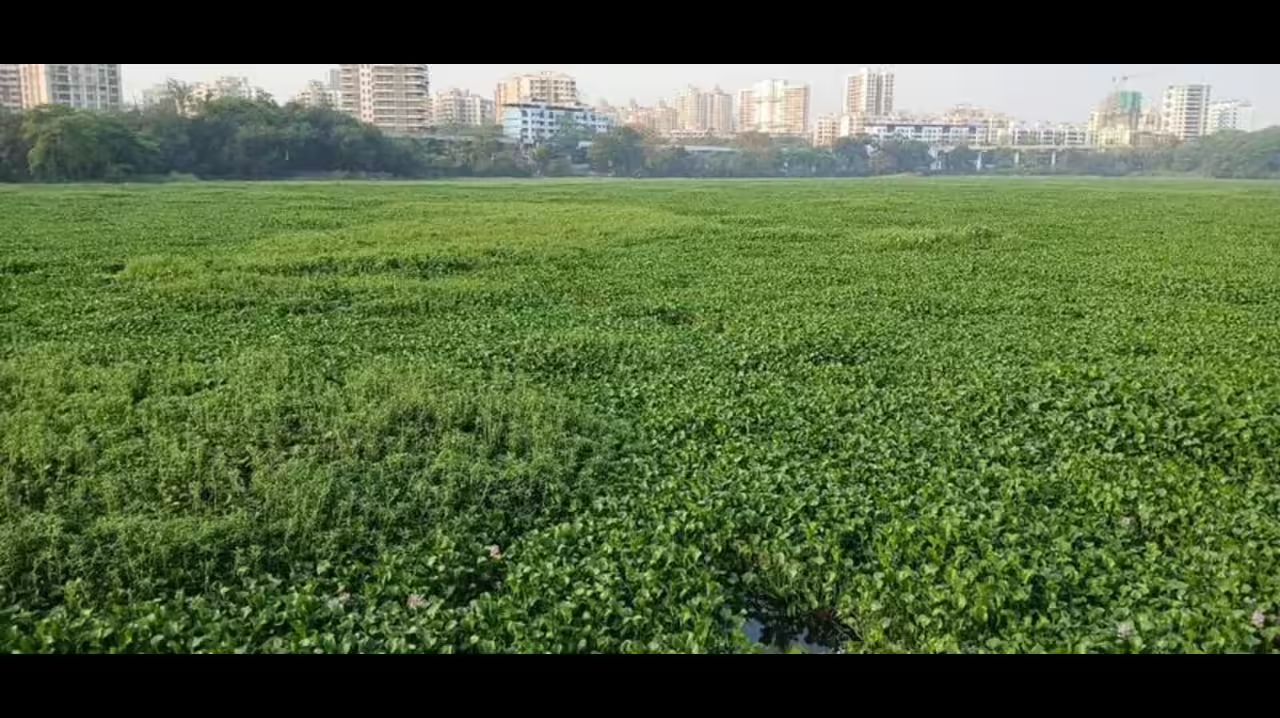
Beneath the surface, a more aggressive problem takes hold.
Invasive aquatic vegetation like water hyacinth spreads rapidly, forming dense mats that restrict water flow, reduce oxygen levels, and disrupt native ecosystems. Over time, this doesn’t just affect biodiversity but it physically alters how the waterbody functions.
Channels narrow. Movement slows. Entire sections can become inaccessible.
Depth & Data Layer - The Invisible Risk
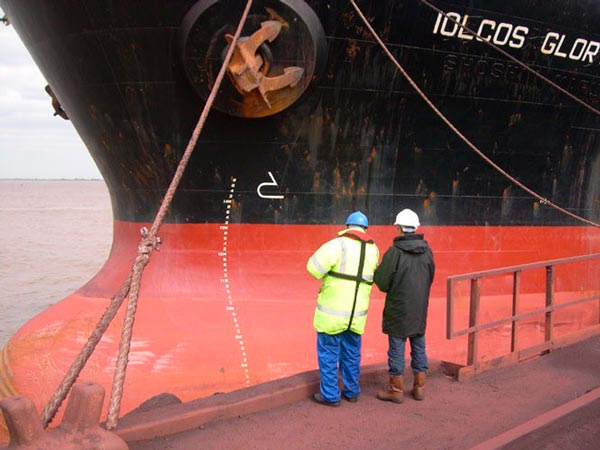
While surface waste and biomass are easy to identify, the most critical challenges are often the least visible.
Without accurate draft and bathymetric data, decision-making becomes reactive rather than informed. Ports and authorities are left operating without clear visibility into:
- Actual navigation depths
- Siltation buildup over time
- When and where dredging is required
- The true carrying capacity of the waterbody
This lack of insight introduces risk from inefficient operations to potential safety hazards.
And this is where most traditional systems fall short.
Why a Fleet, Not a Product
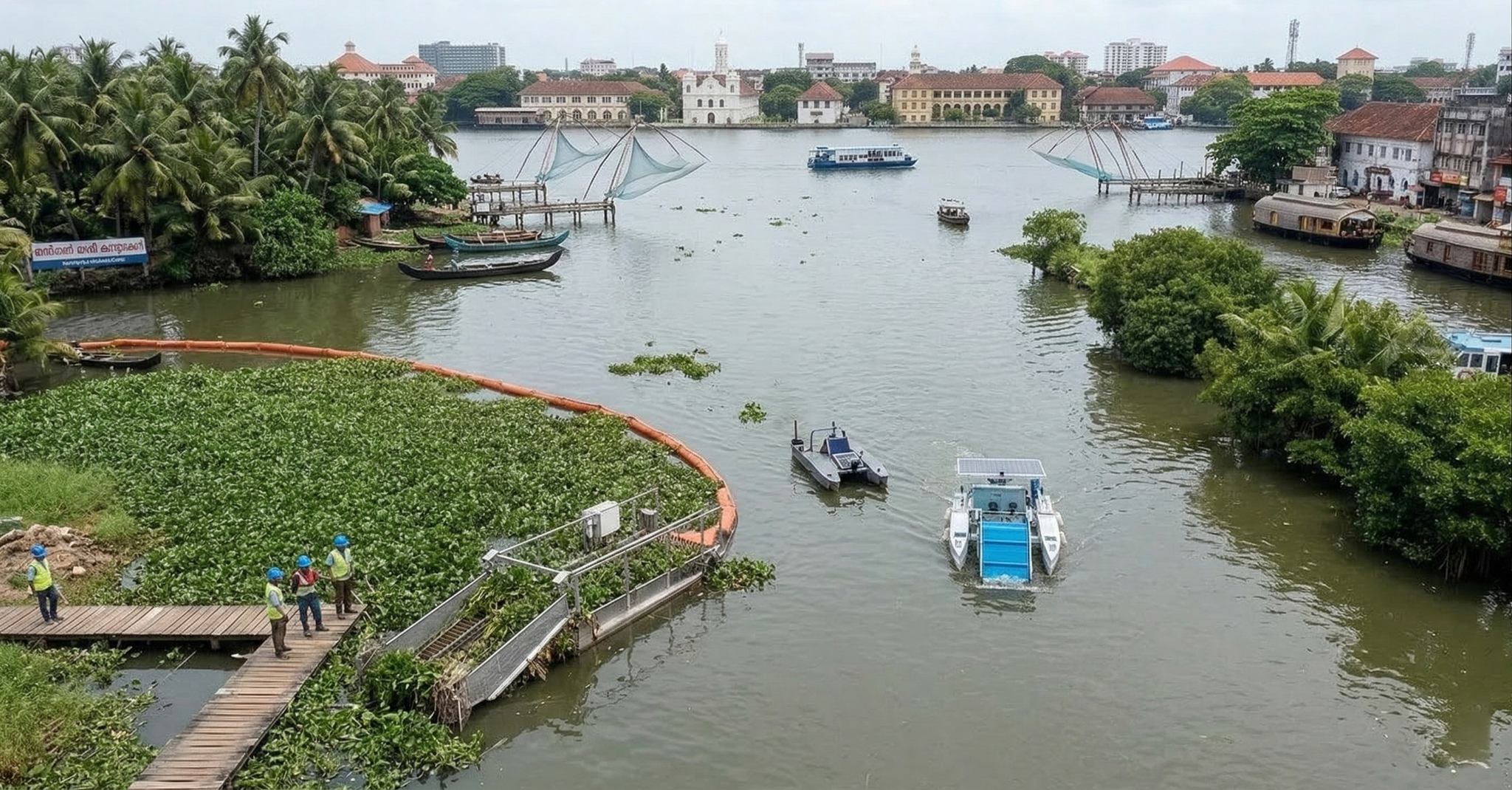
Clear Robotics takes a fundamentally different approach.
Because waterways don’t face a single problem, they face a system of challenges. And solving them requires more than a single tool.
Instead of offering one solution, we’ve built a fleet of autonomous systems, each designed to address a specific layer working together to deliver complete, end-to-end waterway management.
Clearbot (Class 2 & 3) - Autonomous Surface Cleanup
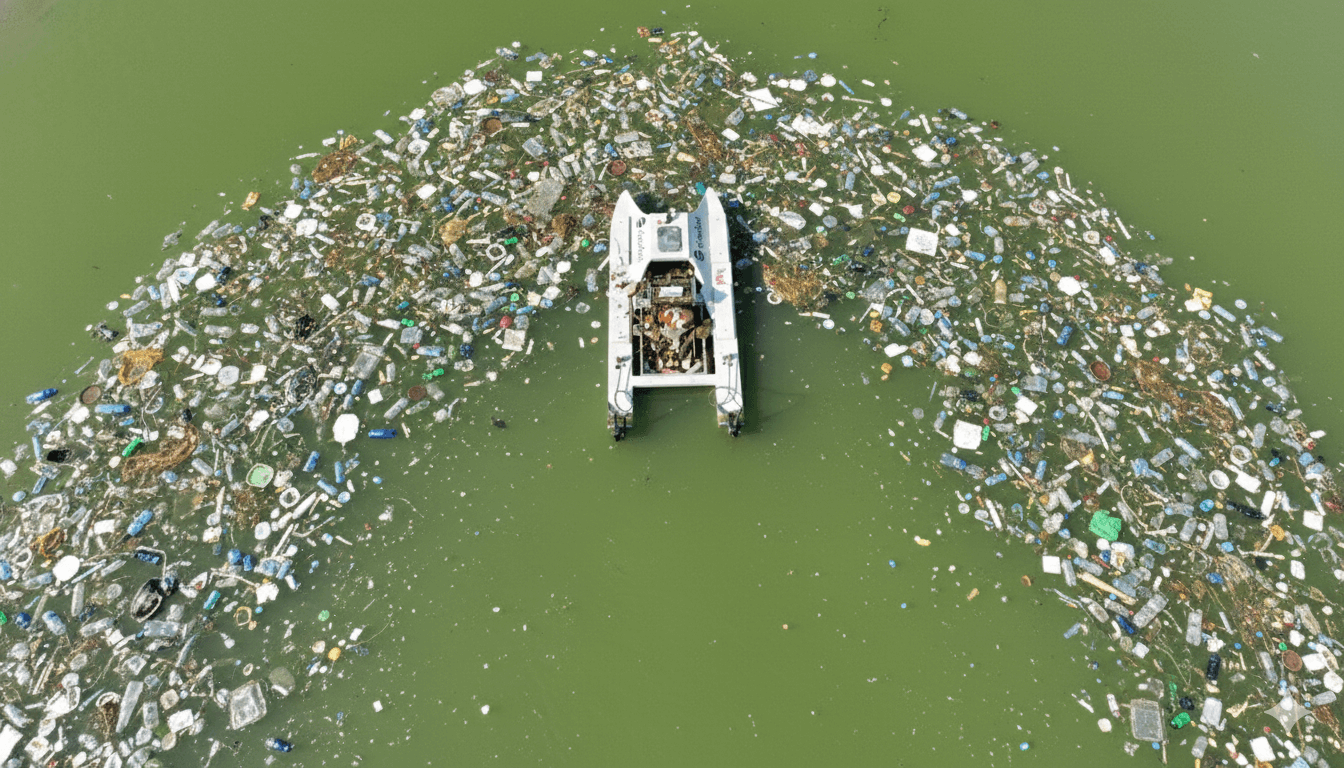
Clearbot systems are designed for efficient, autonomous waste collection across ports, lakes, and urban waterways.
They go beyond cleanup while capturing real-time data on waste collection, enabling teams to track impact, optimize operations, and report outcomes with clarity.
Result: Cleaner surfaces with measurable, trackable impact.
Clearbot Alligator - High-Efficiency Biomass Removal
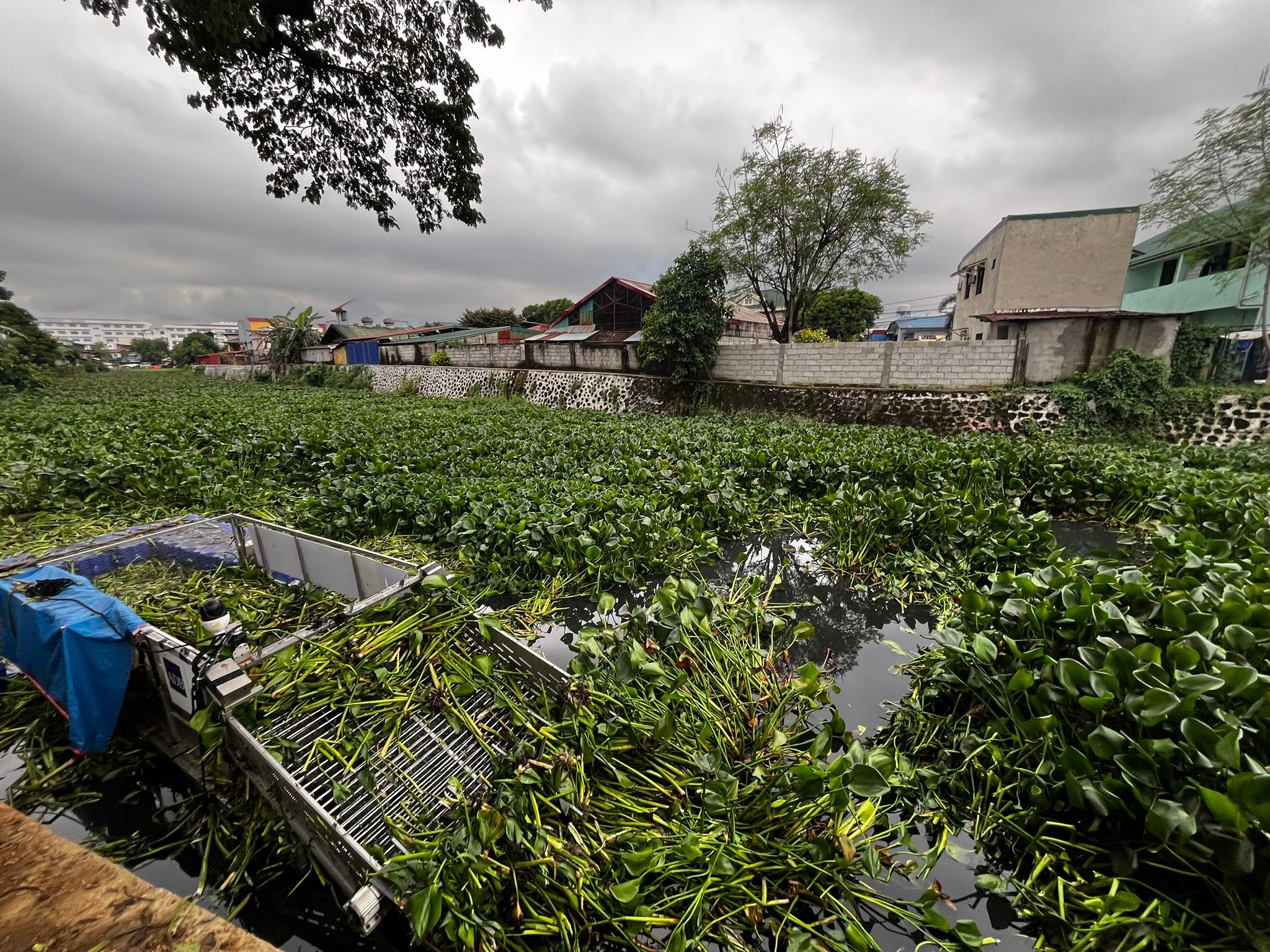
Built for the toughest conditions, the Alligator is engineered to tackle dense water hyacinth and invasive aquatic vegetation where traditional systems struggle.
It restores water flow, improves oxygen levels, and reopens critical waterways for movement and ecosystem recovery.
Result: Unclogged waterways and restore ecological balance.
Survey Systems - Draft & Bathymetric Intelligence
Cleanup without insight is incomplete.
Clear Robotics integrates draft and bathymetric survey capabilities to give ports and operators a clear, real-time understanding of underwater conditions.
This enables teams to:
- Monitor depth and detect siltation early
- Plan dredging operations with precision
- Ensure vessel safety through accurate draft data
- Track changes in capacity over time
Result: Data-driven decisions and safer, more efficient waterways.
From Cleanup to Control
Individually, each system addresses a specific challenge.
But when deployed together, they unlock something far more powerful - a shift from reactive operations to proactive waterway management.
Instead of responding to problems after they escalate, teams can stay ahead of them:
- Remove waste before it spreads
- Control biomass before it disrupts flow and navigation
- Measure depth before it turns into a safety or operational risk
This is the difference between maintaining a waterbody and truly managing it.
Because modern waterways don’t just need cleanup, they need control.
Conclusion
Managing waterways isn’t about fixing one issue at a time, it’s about understanding the system as a whole and deploying the right tools across every layer, in sync.
Because real impact doesn’t come from isolated solutions. It comes from coordination, visibility, and control.
That’s why the future isn’t one machine.
It’s a fleet.
And that’s exactly what Clear Robotics is building.


