
Why Dredging Tight and Shallow Urban Waterways Is More Challenging Than You Think
Introduction
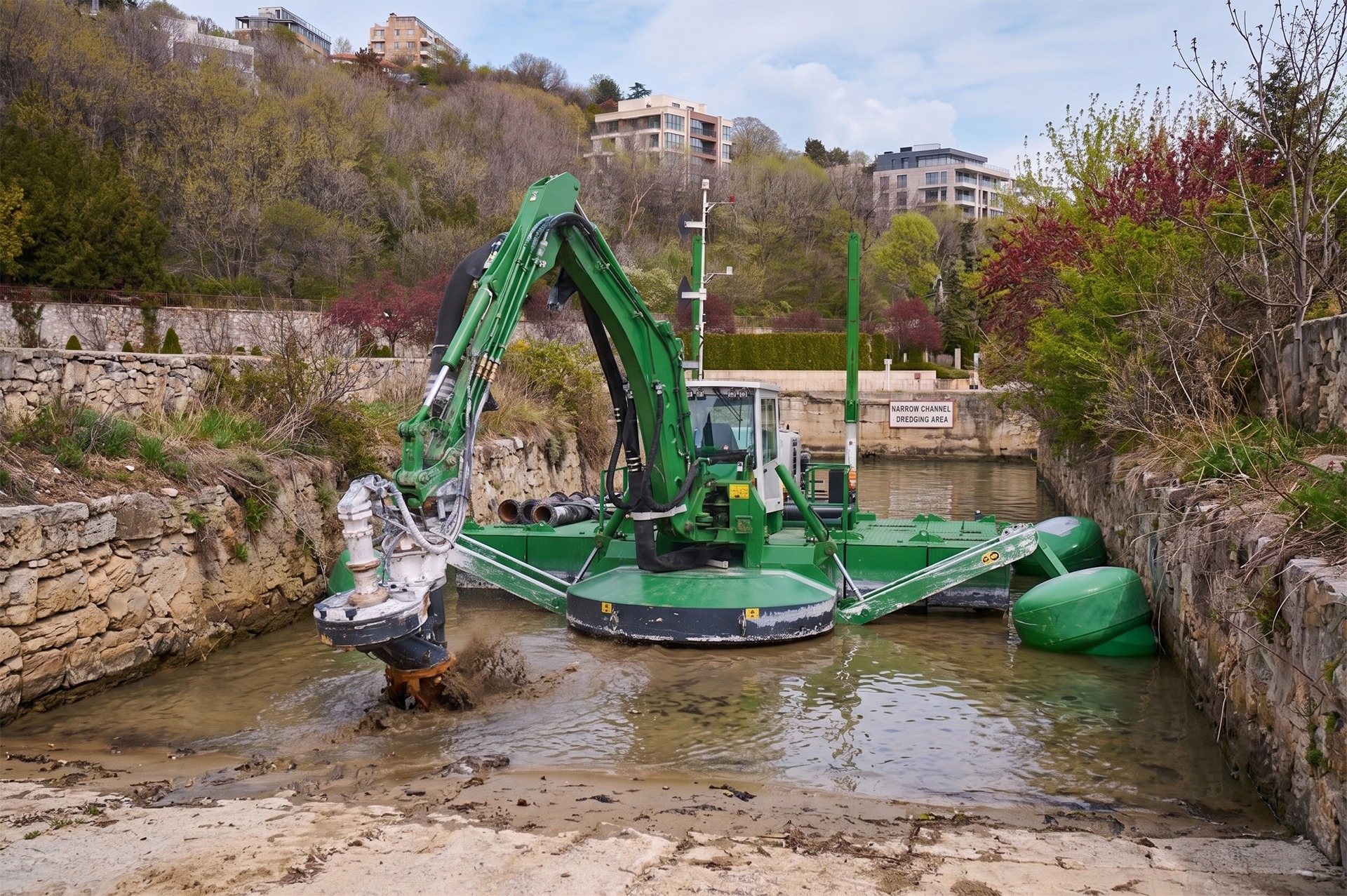
Urban canals, drainage channels, retention ponds, and narrow rivers are essential for managing stormwater, reducing flood risks, and maintaining healthy urban environments. However, these waterways are also among the most difficult to dredge.
Unlike large ports or navigational channels, urban waterways are often shallow, confined, and surrounded by infrastructure, making conventional dredging methods difficult to deploy. As cities expand and sediment continues to accumulate, maintaining these water bodies requires a different approach.
Here are five major challenges authorities encounter when dredging tight and shallow waterways.
1. Limited Space Restricts Dredging Operations
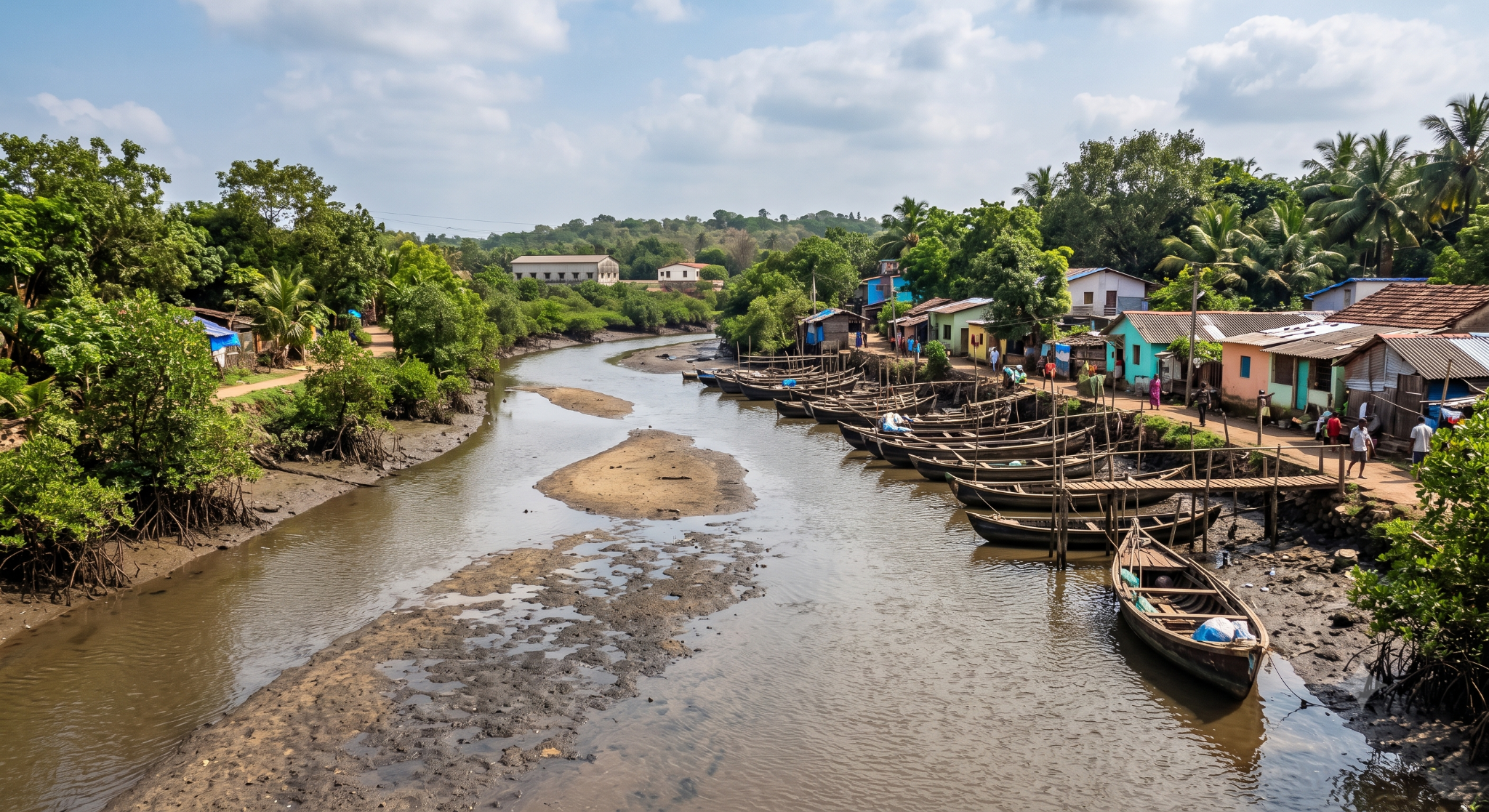
Many urban waterways were never designed to accommodate large dredging equipment. Narrow channels, low bridges, culverts, and nearby infrastructure leave little room for conventional dredgers to operate safely.
Common challenges include:
- Insufficient width for large dredging vessels
- Restricted access beneath bridges and culverts
- Difficulty manoeuvring around utilities and embankments
- Portions of the waterway remaining inaccessible
This often results in incomplete dredging and recurring sediment accumulation.
2. Working in Extremely Shallow Water
Sediment buildup gradually reduces water depth, making it even harder for conventional dredgers to access affected areas. Heavy equipment risks grounding before reaching the sections that need maintenance most.
Key issues include:
- Reduced operating depth for dredging equipment
- Frequent interruptions due to grounding risks
- Lower dredging productivity
- Increased dependence on manual excavation in some locations
The shallower the waterway becomes, the more difficult and costly restoration can be.
3. Mobilisation Costs Can Outweigh the Project
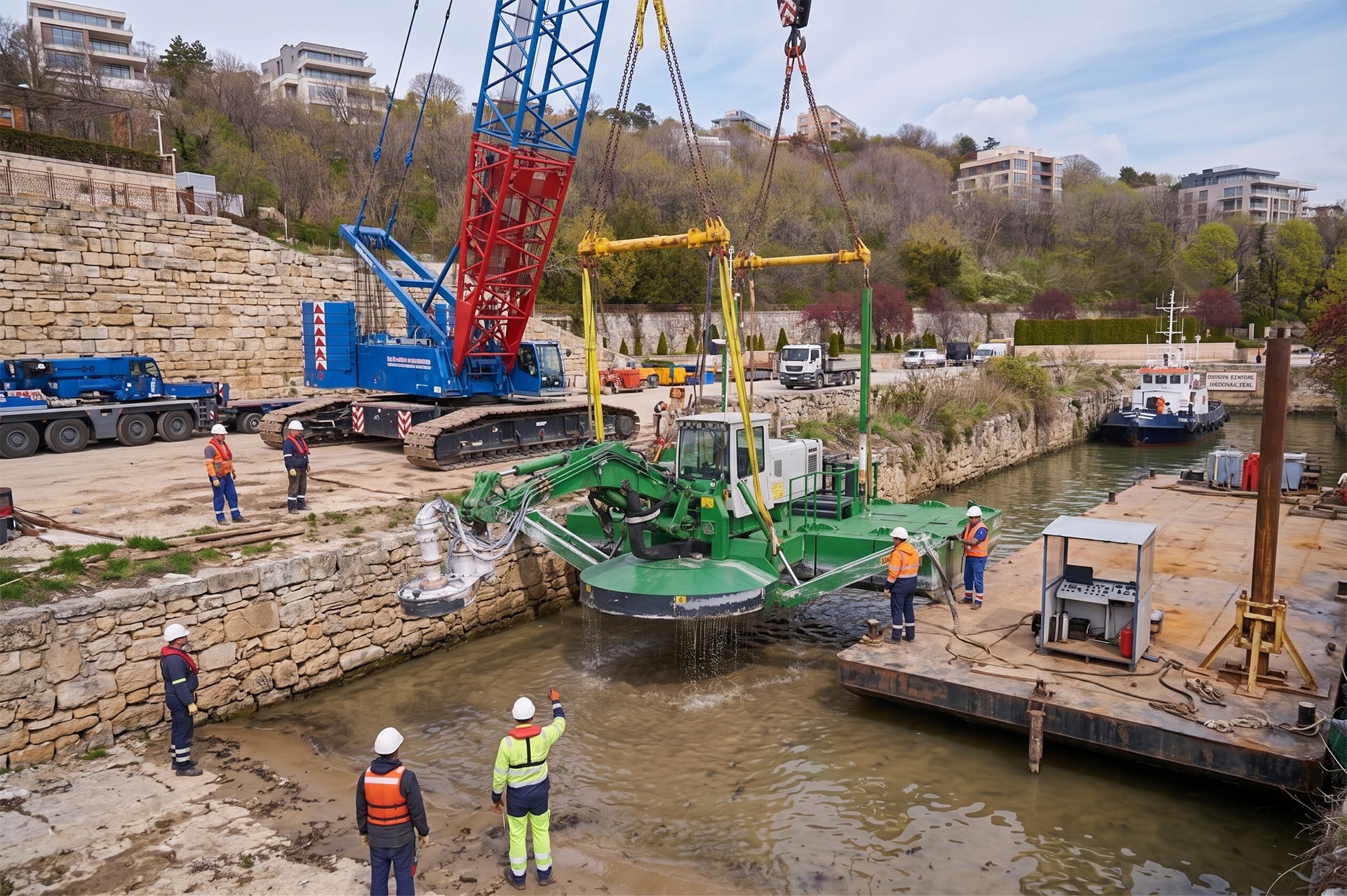
Many urban dredging projects involve relatively small sediment volumes spread across multiple locations. Transporting heavy dredging equipment, support vessels, and crews for each site can make these projects financially inefficient.
Authorities often face:
- High mobilisation and demobilisation costs
- Significant equipment transportation expenses
- Large crew requirements for short-duration projects
- Budget constraints that delay maintenance
As a result, many small waterways are maintained less frequently than needed.
4. Utilities and Urban Infrastructure Increase Project Complexity
Urban waterways are often surrounded by roads, buildings, pipelines, pedestrian walkways, and public utilities. Every dredging activity must be carefully planned to minimise disruption and avoid damaging nearby infrastructure.
This creates challenges such as:
- Limited working space for equipment
- Increased safety requirements
- Traffic and public access considerations
- Longer planning and approval processes
Even routine dredging projects can become logistically complex.
5. Sediment Returns Faster Than Expected
Removing sediment is only part of the solution. Stormwater runoff, erosion, construction activity, and upstream pollution continue to carry new material into urban waterways, causing channels to gradually lose capacity again.
Long-term concerns include:
- Frequent maintenance dredging requirements
- Difficulty predicting sediment accumulation rates
- Rising lifecycle maintenance costs
- Limited data to optimise dredging schedules
Without continuous monitoring, authorities often return only after sediment has already become a problem.
How Clear Robotics Can Help
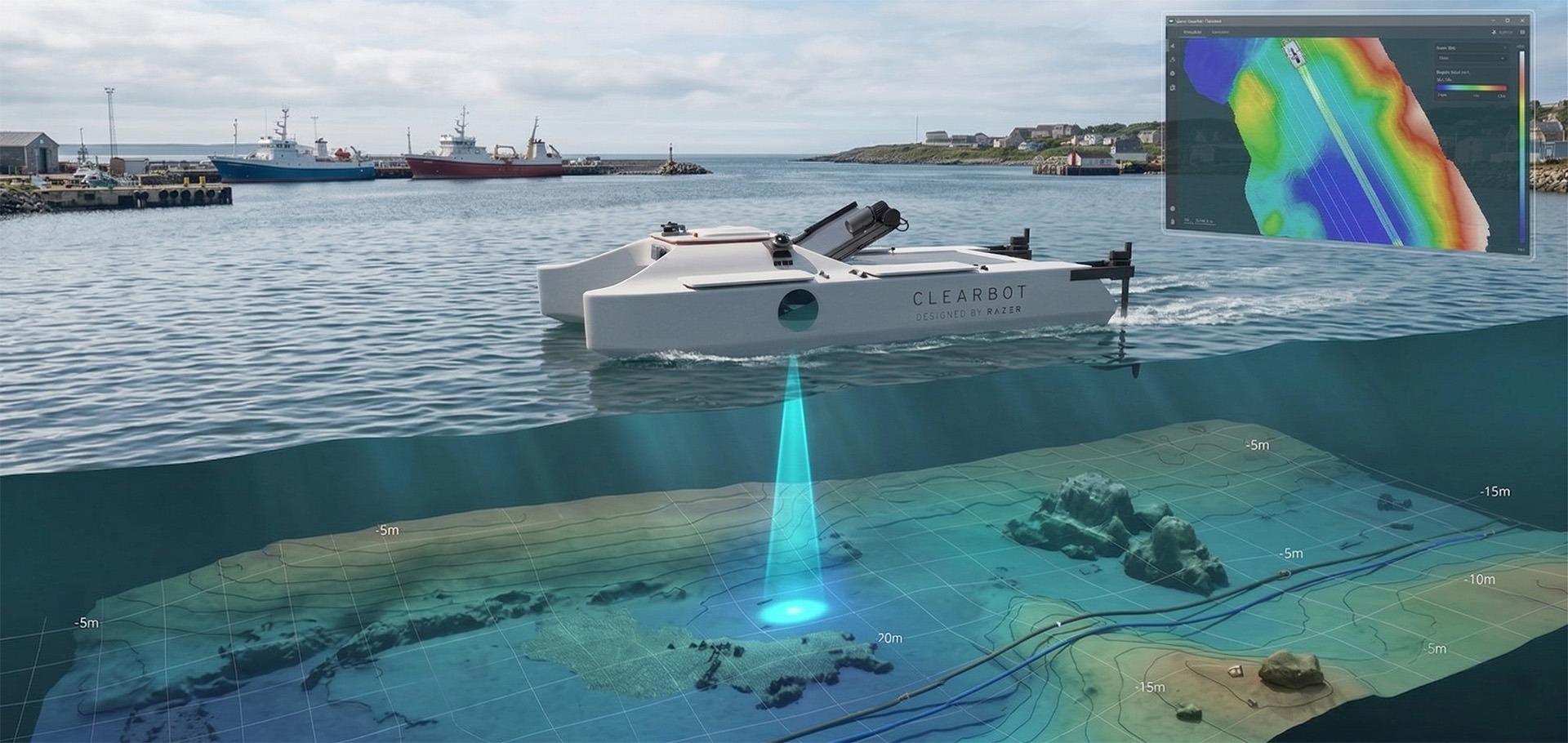
Effective dredging starts with understanding where sediment has accumulated and how conditions are changing over time.
Clear Robotics supports municipalities and water authorities through robotic hydrographic survey and waterway monitoring solutions that help teams:
- Measure water depth and identify sediment buildup
- Prioritise dredging based on real field data
- Monitor shallow and hard-to-access waterways
- Track sediment changes between maintenance cycles
- Improve planning before dredging operations begin
With better data, organisations can optimise dredging programmes, reduce unnecessary work, and allocate resources more effectively.
Conclusion
Dredging shallow and confined urban waterways requires more than simply deploying heavy equipment. Limited access, shallow depths, surrounding infrastructure, and recurring sedimentation demand smarter planning and better visibility into waterway conditions.
By combining accurate survey data with proactive maintenance strategies, authorities can improve dredging efficiency, reduce operational costs, and keep urban waterways functioning safely for the communities that depend on them.


