
Diesel to Digital: How Metro Manila Is Transforming Waterway Clean-Up
Introduction
165 Truckloads of Biomass. ~7.4 Metric Tons of Waste. Zero Diesel.
That’s not a pilot project. That’s the new standard for river clean-up in Metro Manila.
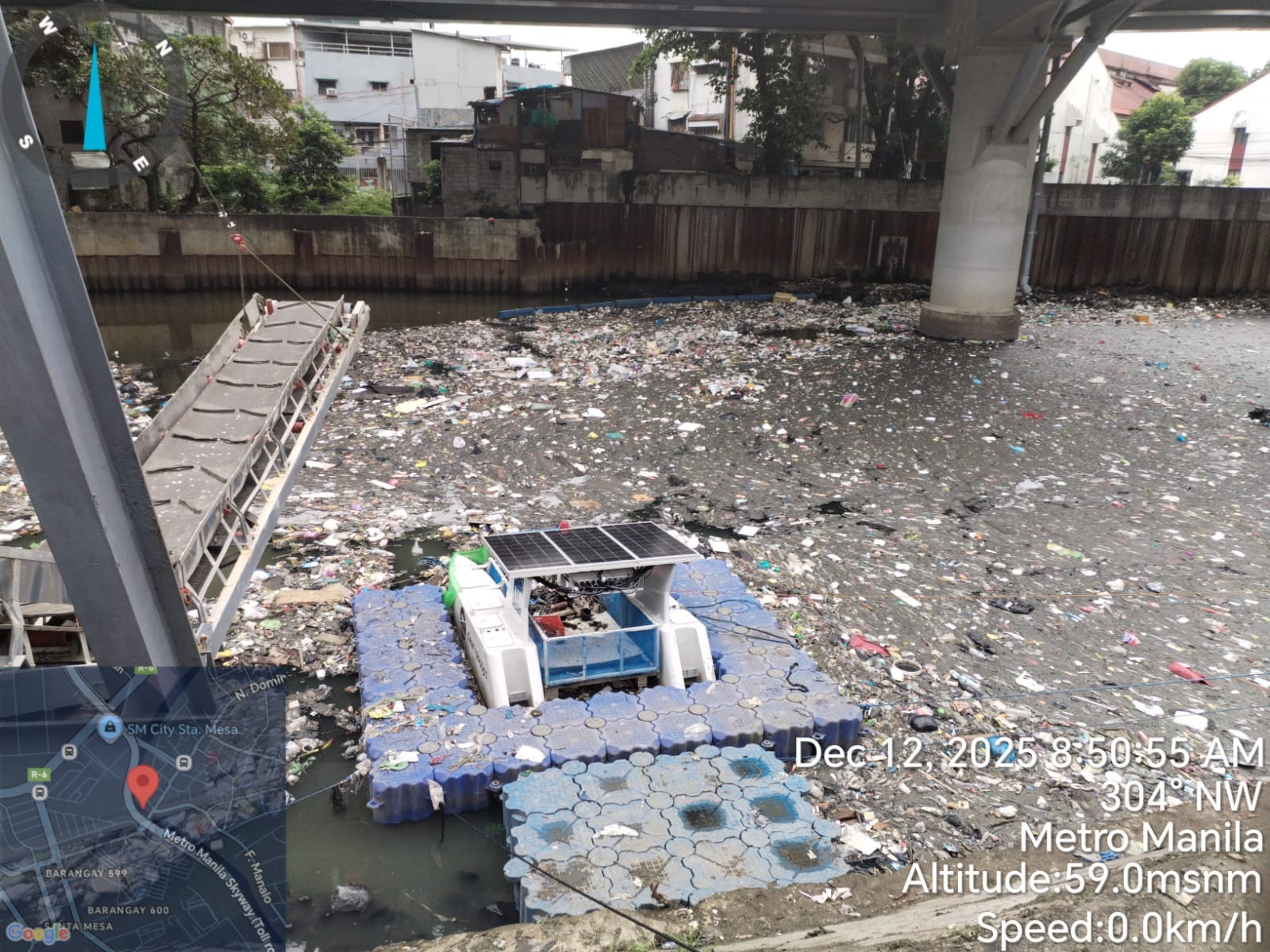
At the Ilugin River, one Clearbot Alligator removed nearly ~100 metric tons of invasive water hyacinth — equivalent to 165 truckloads of biomass choking the waterway. At the San Juan River, Clearbot Class 3 recovered ~7.4 metric tons of floating waste, operating daily without diesel, fumes, or fuel spills.
This is what happens when a city stops treating river clean-up as manual labour and starts managing it as digital infrastructure.
Metro Manila’s shift from diesel-powered boats to electric, data-driven systems is transforming polluted waterways into measurable public assets, cleaner, safer, and built for scale.
The Era of Diesel and Manual Management
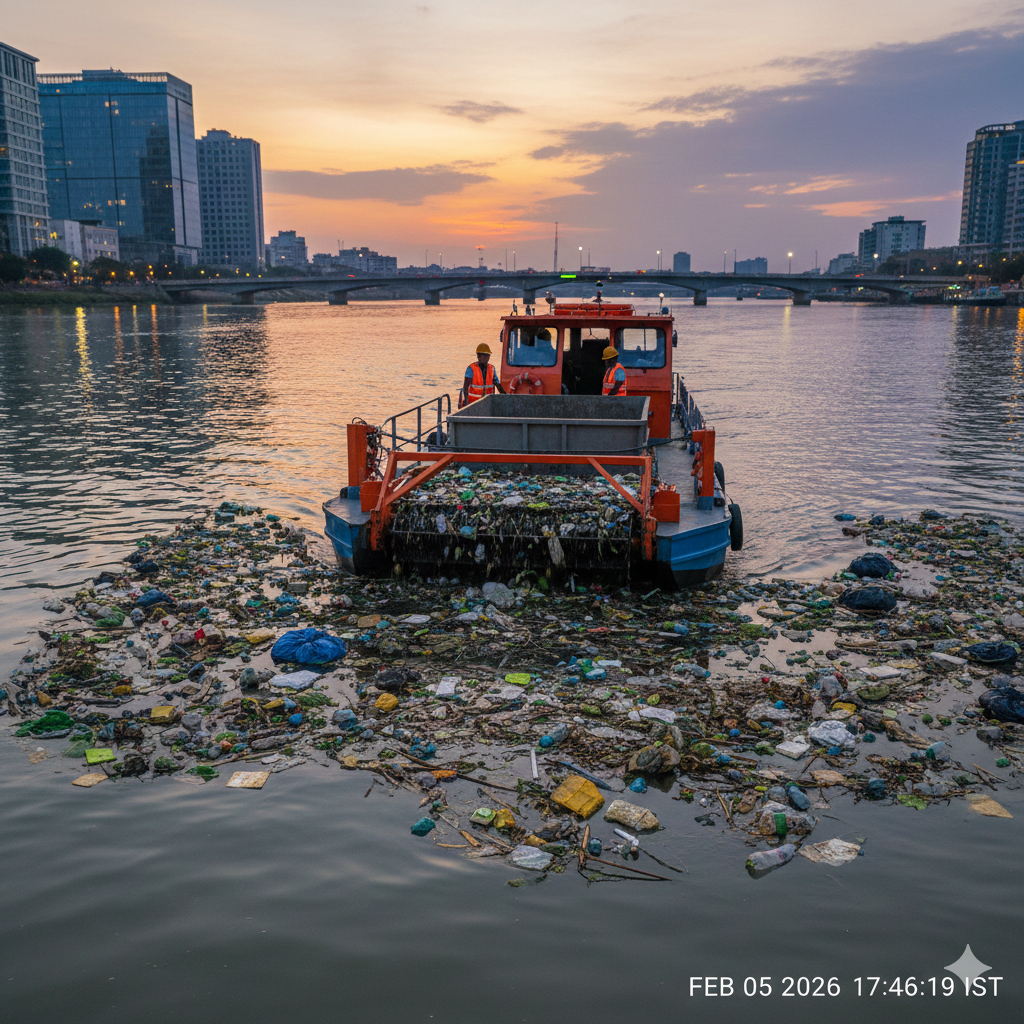
Traditional river clean-up operations in Metro Manila relied heavily on diesel-powered boats and manual intervention. Crews physically navigated narrow channels, removed floating waste by hand, and cleared trash barriers under difficult and often hazardous conditions.
While these efforts removed visible debris, they came at a cost.
Diesel engines produced emissions along already polluted riverbanks. Fuel logistics added recurring expenses. Maintenance was unpredictable. Most importantly, reporting and monitoring were inconsistent. Authorities often knew a river was cleaner, but not precisely how much waste had been removed, which areas were most problematic, or how frequently intervention was required.
The system was reactive. Waste accumulated first. Clean-up followed.
As urban pressures intensified, it became clear that rivers could not be managed as occasional clean-up sites. They needed to be treated as essential urban infrastructure.
The Digital Shift: Clean-Up as a Measurable Public Service
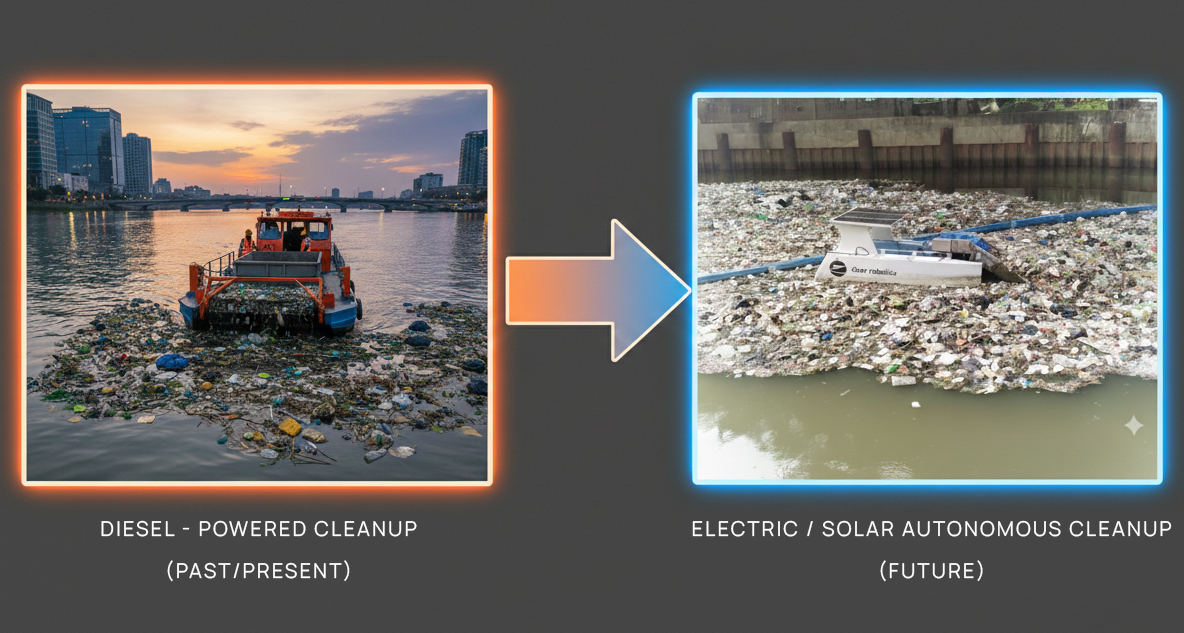
The transition from diesel to digital did not simply replace engines. It replaced uncertainty with measurable outcomes.
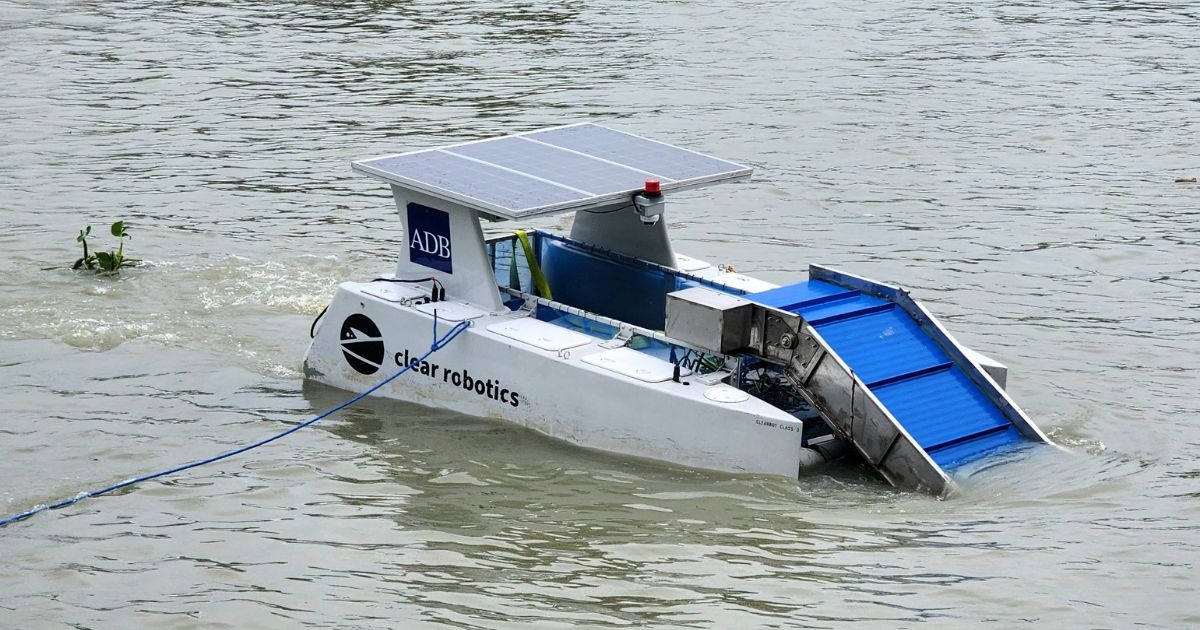
Clear Robotics deployed electric unmanned surface vehicles (USVs) designed specifically for polluted, low-clearance urban waterways. By eliminating diesel propulsion, daily operations no longer add emissions, noise, or fuel risks to fragile ecosystems.
But the true transformation lies in the data layer.
Each deployment feeds into Clear Robotics’ Digital Operations Platform, turning river clean-up into a transparent, trackable service. Municipal leaders can now see:
- Exactly how much waste has been recovered
- Which stretches of river require frequent intervention
- How consistently operations are running
- Overall impact across time
Instead of asking whether the river was cleaned, authorities can quantify performance. River maintenance becomes accountable, repeatable, and optimized.
This is how a chaotic waterway begins to resemble a digital twin, a live operational model built from real-world data.
From Reactive Clean-Up to Predictive River Management
One of the most powerful outcomes of this shift is the ability to move beyond reactive clean-up.
Clearbot’s onboard vision system categorizes debris during operations in the San Juan River. Over a 40-day deployment, this enabled the systematic removal of 4.8 metric tons of floating waste — without any diesel dependency.
Patterns begin to emerge:
- High-accumulation zones can be identified.
- Recurring pollution hotspots can be mapped.
- Optimal clean-up frequency can be planned.
Rather than waiting for visible waste build-up, authorities can schedule preventive operations. This shift from “after-the-fact” response to predictive planning is essential for long-term river rehabilitation in Metro Manila.
Reducing Human Exposure to High-Risk Conditions
Urban rivers receive a constant inflow of mixed waste, stormwater runoff and potentially hazardous materials, manual clean up exposes workers directly to contaminated water and sharp debris.
Autonomous and remote-operated systems now perform much of this dirty, dull and dangerous work. Human teams transition from physical work to digital oversight, reducing direct exposure while maintaining operational reliability.
Proven Impact on the Ground
The diesel to digital shift in Metro Manila is already delivering measurable outcomes across key waterways.
- Ilugin River – Invasive Plant Removal
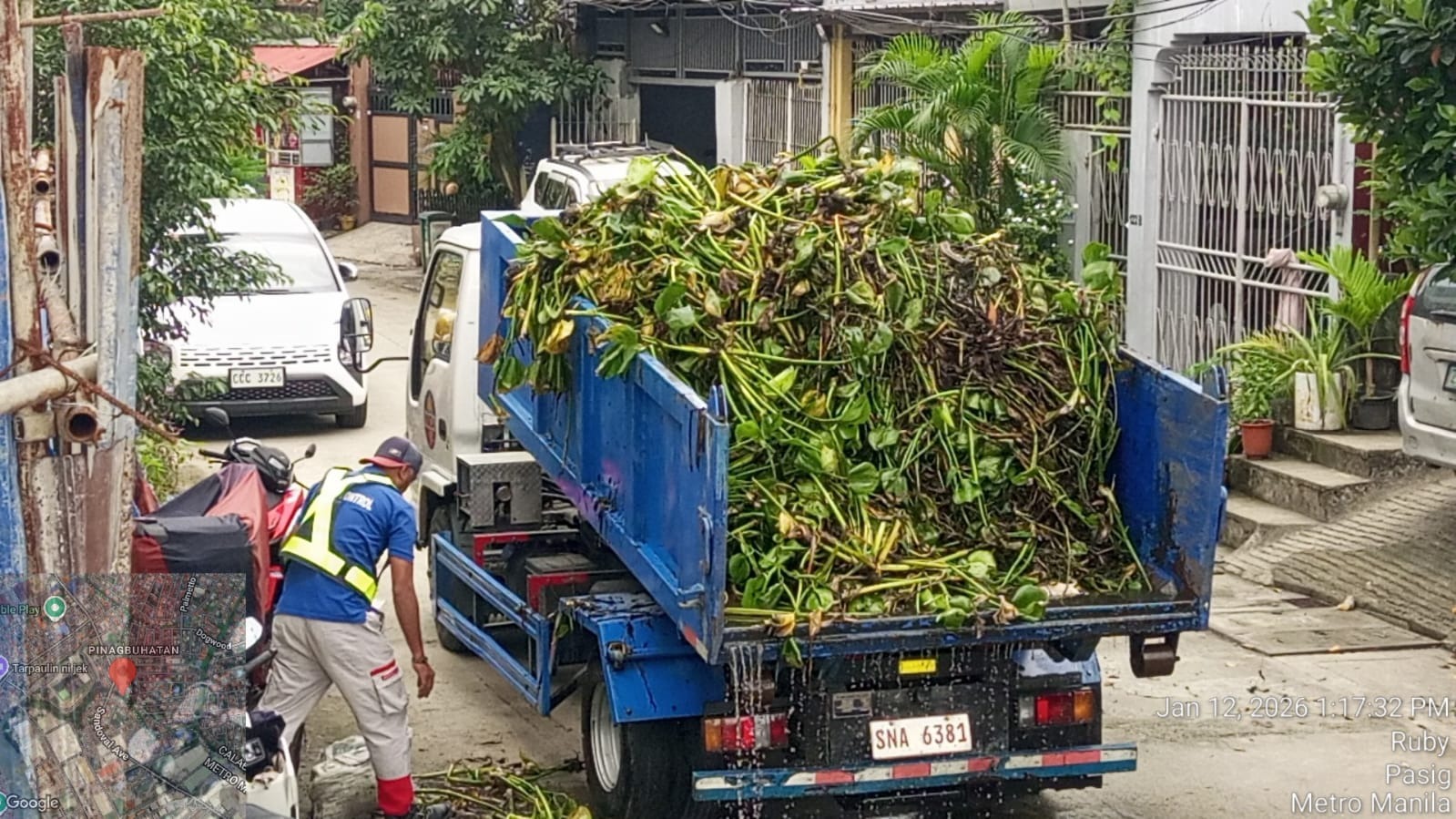
Using the Clearbot Alligator, approximately 100 metric tons of water hyacinth were removed from the river. This is equivalent to more than 165 truckloads of biomass, restoring flow, improving water quality, and preventing further ecological damage caused by unchecked invasive growth.
- San Juan River – Floating Waste Recovery
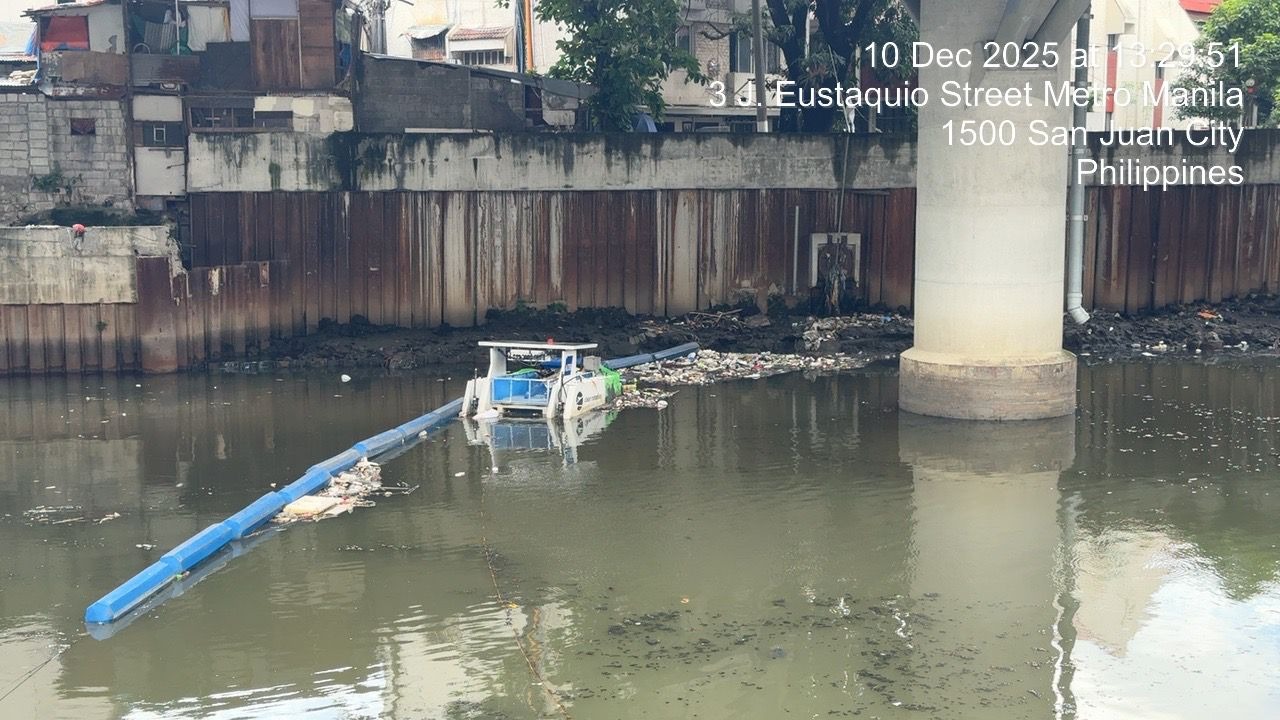
With the deployment of Clearbot Class 3, around 7.4 metric tons of floating waste were removed. Continuous, electric operations enabled consistent daily clean-up without the emissions, noise, or downtime associated with diesel-powered boats.
Conclusion
Metro Manila’s shift from diesel to digital is redefining how urban waterways are cleaned and managed. By replacing fuel-intensive, manual operations with electric, data-driven systems, river clean-up becomes cleaner, safer, and more consistent.
With real-time insights and predictive capabilities, waterway management moves from reactive fixes to long-term solutions. The result is not just cleaner rivers today, but a scalable, future-ready approach to restoring Metro Manila’s waterways.


